Cooking fumes linked to serious lung damage in women
New study warns household cooking fumes are causing severe lung decline in Indian women
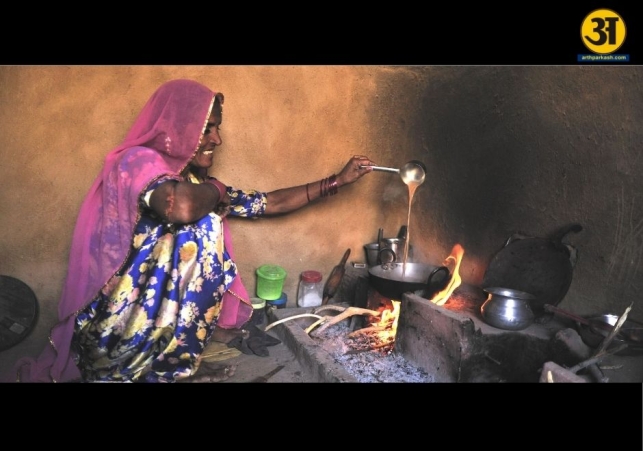
For millions of Indian women, the day often starts around a traditional stove, or chulha, preparing meals for their families. This routine, common for generations, seems normal. But new research shows a hidden danger: cooking smoke can damage lungs as badly as years of cigarette smoking.
The study looked at two groups: women exposed to household smoke from biomass fuel and tobacco smokers. Biomass fuel includes wood, crop residue, cow-dung cakes, and traditional stoves. One major finding was bronchiectasis, a permanent type of lung damage. It was seen in 53% of women exposed to cooking smoke but only in 18% of smokers. This shows how serious indoor smoke exposure can be.
Women cooking over biomass stoves often develop chronic obstructive pulmonary disease (COPD), even if they never smoked a single cigarette. Many reach hospitals only when the disease is advanced, often with repeated lung infections and frequent flare-ups. Doctors say this form of COPD is often overlooked because it affects non-smoking women in rural areas.
Pulmonologists Dr Sourabh Pahuja and Dr Arjun Khanna from Amrita Hospital, Faridabad, highlighted the urgent need to recognize this health crisis. Dr Sanjeev Singh, Medical Director at the same hospital, explained that cooking smoke is commonly dismissed as harmless, but it can be as severe as long-term tobacco exposure. He stressed that the study should push public health authorities to improve indoor air quality, early diagnosis, and protective measures for women in rural households.
Gender played a major role in the study. Around 84–85% of the biomass-exposed patients were women. Unlike smokers, very few women understood the risks: only 17% knew that cooking smoke could cause permanent lung damage. This lack of awareness means many women seek treatment only during severe respiratory crises, often arriving at emergency rooms already struggling with advanced COPD.
ALSO READ: Bangladesh faces rising tensions as legal battle over Hasina intensifies
ALSO READ: Dharmendra’s political journey reveals his surprising wish for absolute control
The hidden dangers and solutions
Interestingly, women exposed to cooking smoke sometimes had better lung function numbers (FEV1 of 62–64%) than smokers (51–52%). Yet, they reported more breathlessness, frequent flare-ups, and a higher chance of ICU admission. Many suffered from difficult-to-treat infections like Pseudomonas aeruginosa, which resists standard antibiotics.
Socio-cultural factors worsen the problem. Women often have lower treatment adherence, fewer follow-up visits, and long travel distances to reach medical care. A strong belief that indoor smoke is “normal” prevents them from seeking help early. Over decades, this combination can lead to irreversible lung damage.
Doctors warn that early awareness and preventive measures are key. Using cleaner cooking fuels, improving ventilation in kitchens, and educating women about the dangers of biomass smoke can save lives. Even simple interventions like chimneys, exhaust fans, or shifting to LPG or electric stoves can greatly reduce smoke exposure.
This research sheds light on a hidden public health crisis affecting rural India. Cooking smoke, a daily part of life, quietly damages lungs over time. Unlike cigarette smokers who know the risks, most women exposed to biomass smoke never realize the danger until it’s too late.
Experts urge families and communities to treat indoor smoke seriously. Protecting women from this silent killer is not just a medical need but a social responsibility. Early screening for lung issues, timely treatment, and awareness campaigns can help reduce COPD cases caused by cooking smoke.
In conclusion, traditional cooking smoke is not harmless. Long-term exposure can cause severe lung damage, repeated infections, and life-threatening respiratory conditions. Public health initiatives and household changes are essential to protect women’s health and improve quality of life. The study calls for immediate attention to this often-ignored risk, proving that sometimes daily routines can hide serious dangers.
Related News